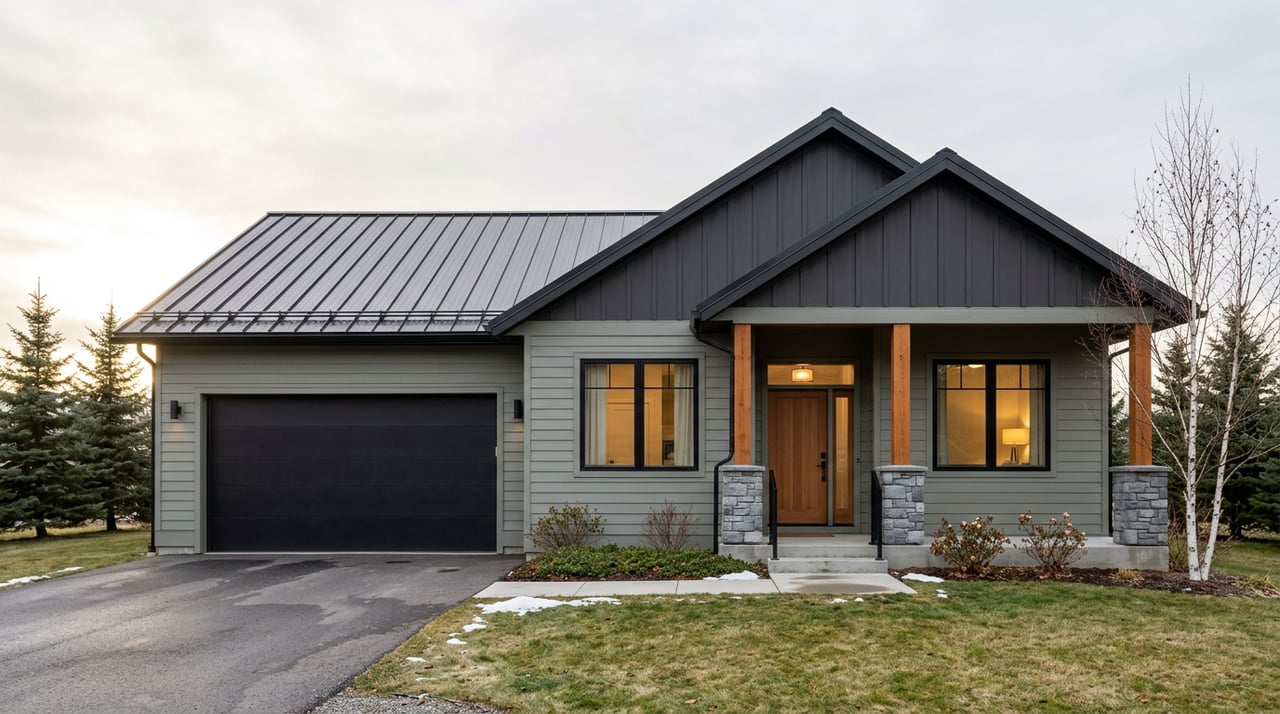
Thinking about more space in the Mat‑Su while keeping your job in Anchorage? You are not alone. Many buyers look to Wasilla for larger lots and friendlier prices, then weigh that against a longer, sometimes variable commute. In this guide, you will see the real commute picture, seasonal realities, what your budget can buy, and a simple checklist to help you decide with confidence. Let’s dive in.
Why Wasilla attracts Anchorage workers
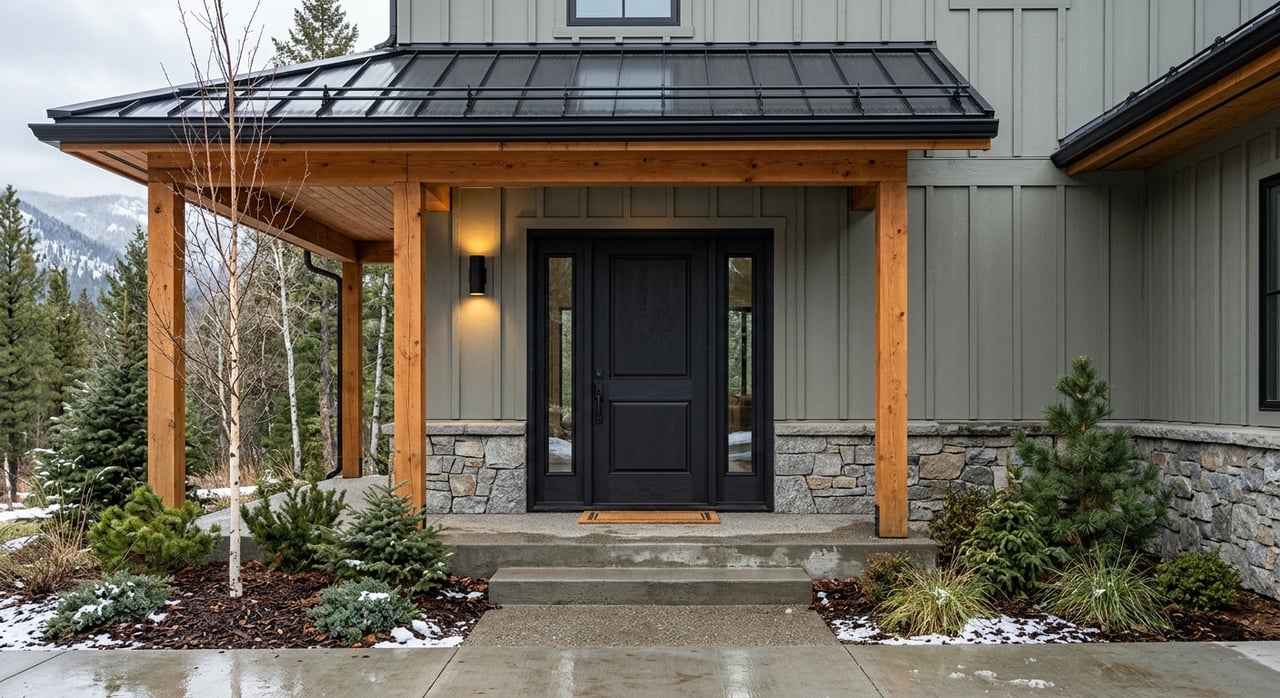
Wasilla often offers more home for the money than Anchorage. Broad market indexes show typical Mat‑Su values below Anchorage medians in recent snapshots, with many buyers finding Wasilla homes in the mid‑to‑upper $300k to low‑$400k range depending on timing and property type. You also see a mix of lot sizes that can be hard to find in the city.
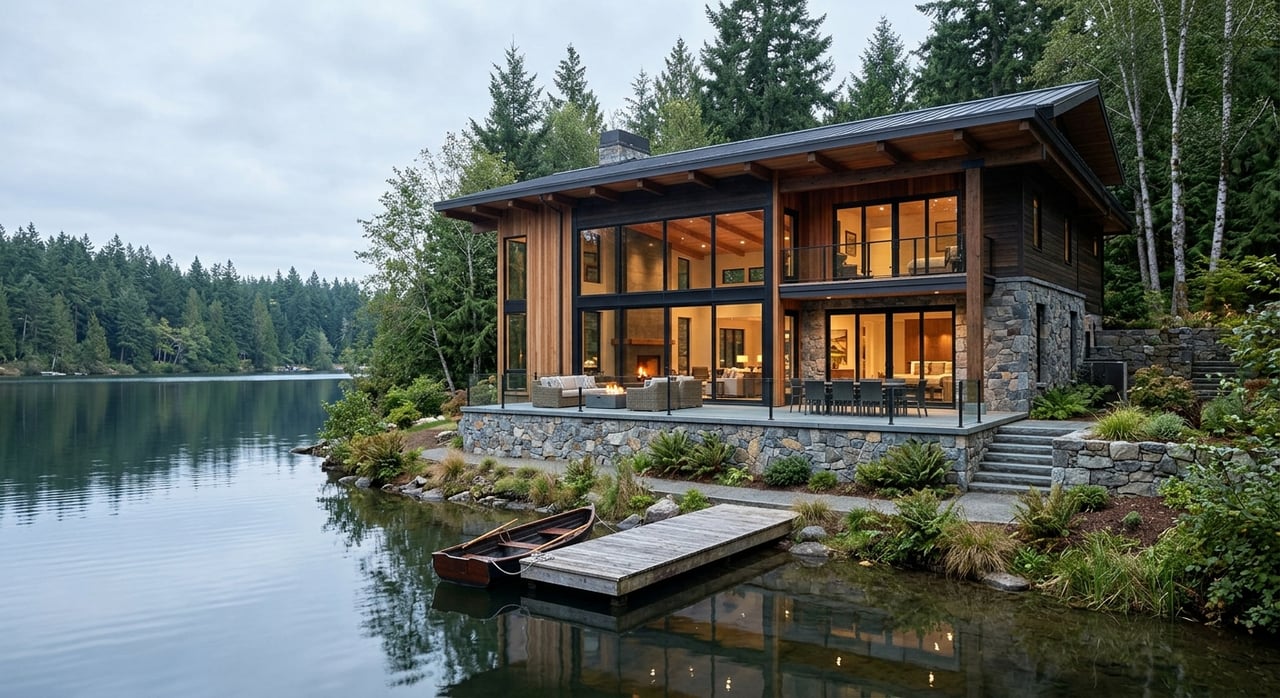
If you want elbow room, Wasilla delivers. Active listings commonly include everything from in‑town parcels around a quarter acre to subdivision lots around half an acre, plus many options on 1 to 3 acres and beyond. You can explore representative land and neighborhood offerings to get a feel for size and setting using curated listing pages in the Valley. For price context, review a broad Mat‑Su value index on Zillow for a high‑level view, and scan Wasilla land and neighborhood listings on Homes.com to see typical lot sizes today.
- See the Mat‑Su value trend context on the Zillow index: Mat‑Su Borough home values
- Browse representative Wasilla land and neighborhood options: Wasilla land and neighborhoods
Commute basics: time, route, endpoints
Most commuters drive the George Parks Highway (AK‑3) toward the Glenn (AK‑1) into Anchorage. From central Wasilla to central Anchorage is roughly 43 to 45 miles. Under good conditions, typical one‑way drive time is in the 45 to 50 minute range. That estimate comes from a point‑to‑point planner and varies with your exact start and finish. You can see a representative Wasilla to Anchorage estimate on Travelmath’s drive time calculator.
Where you end up in Anchorage matters. Downtown, Midtown, the U‑Med district, the airport, and JBER each add different final‑mile time and parking considerations. Peak congestion, weather, incidents, or construction can stretch the drive. The state recognizes this corridor as a planning priority due to heavy commuter and freight volumes. Keep an eye on ADOT&PF’s planning and traveler information as you time your test trips.
Alternatives today
Commuter rail between the Mat‑Su and Anchorage has been discussed and even pitched as a winter pilot, but it is not a guaranteed daily option right now. Treat it as a possibility to watch rather than a current solution. See context in the Anchorage Daily News on proposed winter commuter rail runs. Limited vanpools, employer shuttles, or private buses exist on a case‑by‑case basis, so confirm options for your address and workplace.
Winter realities and reliability
Summer and shoulder seasons can feel easy. Winter is different. Research ties winter weather to higher crash rates during commuting hours, which argues for a realistic plan if you drive regularly in colder months. Read more in this public‑health study on winter commute risk and safety.
Road closures and delays do happen. Wildland fires, collisions, and other incidents have temporarily shut sections of the Parks Highway, leading to long delays or detours. A recent example was a wildfire event that forced a closure near the corridor. Stay plugged into traveler alerts and local news for day‑of conditions, such as updates like the Bear Creek Fire closure on the Parks Highway.
If your lifestyle includes recreation in nearby mountain areas or if you live off a side road near passes, know that avalanche hazard is a seasonal factor. Regional centers publish observations and advisories you can monitor through resources like the Alaska Avalanche Information Center.
Practical winter tips:
- Run proper winter or studded tires in season and keep an all‑season emergency kit.
- Build in extra time on storm days and confirm your employer’s flexible start or telework policy.
- Have a daily fallback plan for childcare and work if the highway closes.
- Check ADOT&PF traveler information and local alerts the morning of your drive.
Budget the commute cost
You can put real numbers to the commute so you understand the tradeoff.
- Round‑trip miles: take your one‑way distance and multiply by 2.
- Fuel per day: round‑trip miles ÷ your vehicle’s mpg × current price per gallon.
- Add maintenance: tires, oil changes, brakes, and parking if applicable.
- Use a buffer: multiply fuel cost by 1.2 to 1.5 to capture wear and the time value of driving.
Even a simple worksheet like this clarifies whether the larger lot or lower purchase price offsets ongoing commute costs for your household.
Utilities, internet, and daily services
Inside Wasilla city limits, many parcels are served by municipal water and sewer. In outlying areas, expect private wells and septic systems, and verify hookups and utility runs per address during due diligence. Internet options vary by pocket. Parts of the Valley have fiber or cable, while other areas rely on fixed wireless or satellite. For a quick sense of availability by location, use a statewide overview such as BroadbandNow’s Alaska page and then confirm with local providers at the address level.
Property assessments and taxes can shift as the region grows, so review the current assessed value and tax estimate for any home you consider and factor that into your budget.
What your budget can buy
While every month’s inventory is different, the broad pattern is clear. In Anchorage, a median‑priced home often sits on a smaller city lot or is a townhome or condo in many neighborhoods. In Wasilla, similar budgets more often find detached homes with larger yards, potential shop space, and room for vehicles or gear.
To see the spread in real time:
- Scan current Mat‑Su values using the Zillow Mat‑Su index.
- Explore Wasilla neighborhood and land listings to understand lot sizes and settings: Wasilla land and neighborhoods.
Pair those snapshots with an MLS search tailored to your wish list to get a side‑by‑side view of what your budget buys in Anchorage versus Wasilla on the same day.
A clear decision checklist
Use this simple framework to decide if living in Wasilla and working in Anchorage fits your life.
Confirm your exact Anchorage destination. Time a sample drive to your specific site at your real start time. The route to U‑Med differs from JBER or the airport. Use a live planner and check ADOT&PF traveler info the morning you test.
Count weekly trips. A daily commuter experiences the drive very differently than someone who goes in 1 to 2 days a week. Frequency affects time cost, vehicle wear, and stress in winter.
Try the commute in winter and in good weather. Do an out‑and‑back run at your real start time in December or January, then again in spring or summer.
Run the math. Estimate fuel plus a maintenance buffer and any parking costs. Use a conservative multiplier to reflect wear and your time.
Value the non‑monetary gains. Larger lot, privacy, shop or garage space, quieter setting, and future expansion options are the top reasons many buyers choose Wasilla.
Check utilities and internet at the address level. Confirm water, sewer, electric, and broadband options before you fall in love with a home. Resources like BroadbandNow’s Alaska overview can guide your early research.
Build a winter plan. Have proper tires, an emergency kit, and a clear backup for childcare and telework on closure days. Review winter‑driving safety tips in sources like the winter commute risk study.
How we help you decide with confidence
You should not have to figure this out alone. Our team pairs local market knowledge across Anchorage and the Mat‑Su with data‑driven tools so you can compare homes, lots, and commute realities side by side. We can time showings with your test commute, benchmark active listings in both markets, and coordinate inspections and due diligence on wells, septic, and broadband. As full‑service buyer representatives with relocation support, we help you weigh space and budget against time and maintenance so you choose what truly fits your life.
Ready to explore Wasilla and compare options in Anchorage on the same day? Reach out to Jacob Sebring to start a focused search and a commute‑smart plan.
FAQs
Is living in Wasilla practical if I work in Anchorage?
- It can be for many people. The drive is typically in the 45 to 50 minute range one way under good conditions for roughly 43 to 45 miles, but your exact endpoints and winter weather will decide whether it feels sustainable for you. Use a live planner like Travelmath’s Wasilla to Anchorage estimate and test your route.
How long is the Wasilla to Anchorage drive on a normal day?
- Under fair conditions, plan on about 45 to 50 minutes each way for central Wasilla to central Anchorage. Congestion, incidents, destination within the city, and weather can add time, so check ADOT&PF traveler information before you go.
How do Wasilla prices compare to Anchorage right now?
- Broad indexes show Mat‑Su values below Anchorage medians in recent periods, with Wasilla often offering larger lots at similar budgets. For current high‑level context, scan the Zillow Mat‑Su index, then review same‑day MLS data for exact comparisons.
Is commuter rail between Wasilla and Anchorage available yet?
- Not as a reliable daily option. A winter pilot has been discussed, but it is not guaranteed today. See background on proposed winter commuter rail runs.
What lot sizes are common in Wasilla?
- You will find a range: in‑town parcels around 0.25 to 0.5 acre, many 1 to 3 acre lots in subdivisions or rural pockets, and larger acreage farther out. Browse examples in Wasilla land and neighborhoods.
How should I prepare for winter commuting between Wasilla and Anchorage?
- Use proper winter or studded tires, keep an emergency kit, allow extra time on storm days, and confirm flexible work options. Monitor road conditions and closures through ADOT&PF traveler info and local alerts.