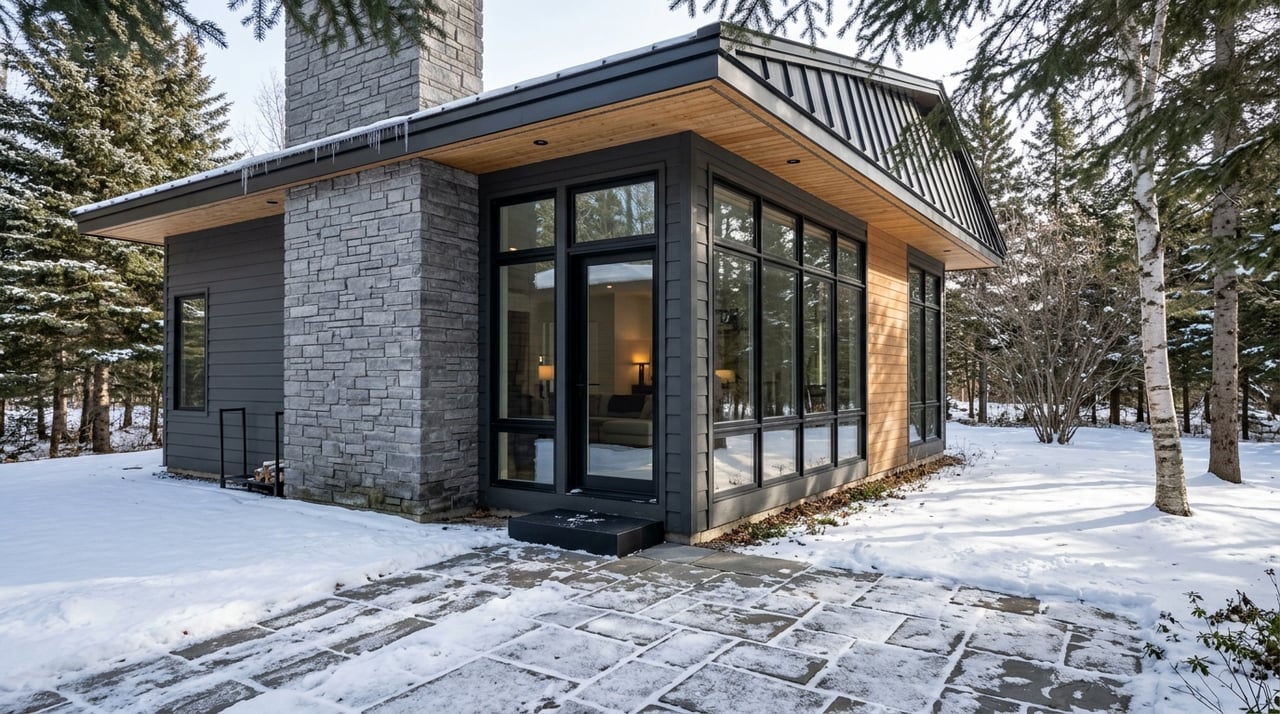
Selling a home in Girdwood is rarely just about picking a date on the calendar. In a small resort market shaped by Alyeska’s ski season, your timing can affect how buyers experience your home, how easy showings feel, and what story your listing tells. If you are trying to decide whether to list before winter, during ski season, or after the snow starts to melt, this guide will help you think it through clearly. Let’s dive in.
Why ski season matters in Girdwood
Girdwood has a different rhythm than many other Alaska markets. Visit Girdwood describes Alyeska as Alaska’s only fully operational ski resort, with downhill ski season running about December through April and summer activities running June through September.
That matters because buyers are not always responding to the same version of Girdwood year-round. In winter, the local story centers on snow, skiing, and resort energy. In spring and summer, the focus shifts toward hiking, biking, glacier access, and broader year-round recreation.
Winter activity is also bigger than the ski lifts alone. Local seasonal events include ULLR Fest in early December, New Year’s Eve Torch Light Parade and Fireworks, and Alyeska’s Spring Carnival and Slush Cup in late April. For sellers, that means ski season can bring strong lifestyle visibility, but it can also come with more traffic and tighter logistics.
What the current market suggests
Girdwood appears to be a very small and thin housing market. Recent snapshots in the research report showed roughly 9 to 10 active listings, and Redfin reported a March 2026 median sale price of $825,000, average days on market of 282, and only one sale that month.
Those numbers are useful, but they should be handled carefully. In a market this small, one or two listings can shift the averages quickly. That is why broad market stats in Girdwood are best treated as directional rather than predictive.
This is also a good reminder that there may not be one perfect selling window for every property. A well-timed launch can help, but timing alone will not solve a pricing problem or make up for a weak presentation. In a market with limited inventory and long average days on market, strategy matters as much as season.
Timing your sale before ski season
Listing in late summer or fall can make sense if you want to catch buyers who hope to settle in before winter starts. That timing may also appeal to people who are already thinking ahead to ski season and want to be in place before the busiest winter stretch.
The main challenge is presentation. If your biggest selling angle is ski access or winter atmosphere, you may be marketing that story before the full snow-season backdrop arrives. You may need stronger photography, clearer pricing, and tighter messaging to help buyers connect the home to the lifestyle.
That said, a pre-season launch can work well for sellers who value a head start. If your home is easy to show in fall and your timeline is firm, listing before ski season may give you a chance to enter the market before winter activity ramps up.
Timing your sale during ski season
If your property is closely tied to the ski lifestyle, winter can be the most emotionally compelling time to list. Snow-covered views, cozy interiors, and the energy around Alyeska can help buyers picture exactly why Girdwood stands out.
This is the season when the core identity of the area is easiest to see. Buyers visiting for skiing, snowshoeing, Nordic skiing, or winter events may feel a stronger connection to the location when the mountain-town experience is fully on display.
But winter selling also has tradeoffs. Peak events can create traffic, parking limits, and access issues that affect showing convenience. Visit Girdwood’s winter event information notes limited parking during Spring Carnival and references a commuter bus between Anchorage and Girdwood for the main event, which is a practical sign that busy-season logistics can matter.
Weather can also affect how simple a home is to enter, view, and photograph. Snow and ice may hide some exterior features while highlighting others. If your home shows best as a warm, winter-ready retreat, ski season may be ideal. If outdoor usability and landscaping are major strengths, winter may not be your best presentation window.
Timing your sale after ski season
For many sellers, late spring and summer offer the easiest showing conditions. Roads are typically simpler to navigate, daylight is longer, and buyers can see more of the home’s exterior setting without snow cover.
This season also supports a broader version of the Girdwood lifestyle. According to Visit Girdwood, summer activity includes hiking, biking, and glacier access, and the area remains active beyond winter. That can help if you want to position your property around year-round mountain living rather than a ski-focused identity.
Spring and summer may be especially useful if your home has outdoor spaces, mountain views, or exterior details that get lost under snow. If your property simply looks cleaner, brighter, and easier to experience once winter passes, waiting may improve your presentation.
There is also a wider timing pattern worth noting. National research cited in the report points to late spring as a common seller sweet spot, though the exact week varies by source and local markets can behave differently. In Girdwood, that broad trend should be weighed against local seasonality, your home’s features, and your personal timeline.
Match the season to your home
In Girdwood, the best answer is often not “What month is best?” but “What story does this home tell best?” That shift in thinking can make your timing decision much clearer.
If your home feels most compelling as a ski-base property, winter may be the right window. If it lives better as a year-round mountain home with easy access to trails and outdoor recreation, late spring or summer may be stronger.
Here are a few simple ways to think about that match:
- Choose winter if the home shines with snow, cozy interior spaces, and ski-season proximity.
- Choose spring or summer if the home benefits from easier access, visible outdoor features, or a broader lifestyle pitch.
- Choose fall if you want to get ahead of winter demand and your home is show-ready before snow arrives.
This kind of season-to-story approach tends to be more practical than chasing a universal best week. In a small market, buyers often respond to how well the property, price, and presentation line up together.
Balance speed, price, and presentation
Most sellers are weighing three things at once: how fast they want to sell, what price they hope to achieve, and when the home will show best. In Girdwood, those goals do not always point to the same season.
If speed is your top priority, you may prefer to list as soon as the home is market-ready rather than wait months for an ideal seasonal window. In a market with few listings, buyers may have limited options at any given time.
If presentation is your top priority, it may be worth waiting for the season when your home looks and feels strongest. Better visuals, easier access, and a clearer lifestyle story can improve buyer response.
If price is your main focus, pricing discipline still matters more than seasonal optimism. The research report suggests that in a thin market with long average days on market, no strong season fully offsets a home priced out of step with buyer expectations.
A practical way to decide
If you are unsure when to list, start with a simple set of questions:
- What season makes your home look its best?
- Is your likely buyer more motivated by skiing or year-round living?
- How important are easy showings and travel conditions?
- Do you need to sell on a set timeline?
- Is the home priced for today’s market, not just the season you hope to catch?
Those answers usually point you toward the right window. In Girdwood, the strongest listing plans tend to be tailored, not generic.
A thoughtful sale strategy can include seasonal photography choices, timing around local events, and pricing built for a market where data can swing quickly. That kind of local planning is especially valuable in a place where inventory is limited and every listing has to tell a clear story.
If you are thinking about selling in Girdwood, working with a local team that understands seasonal demand, pricing nuance, and presentation strategy can help you move with more confidence. When you are ready for a tailored plan, connect with Jacob Sebring for expert guidance on timing, pricing, and marketing your home.
FAQs
Does ski season help a home sell faster in Girdwood?
- It can help if your home strongly fits the ski lifestyle, but Girdwood is a small market and timing alone does not guarantee a faster sale.
Should you wait until spring to sell a Girdwood home?
- Spring can be a smart choice if your home shows better without snow and ice or if easier access improves the showing experience.
Is winter the best time to market a Girdwood ski home?
- Winter can be a strong window for a ski-oriented property because the area’s resort lifestyle is easiest for buyers to experience during ski season.
Are Girdwood home prices predictable by season?
- Not always. The market is small, and month-to-month numbers can shift quickly, so seasonal trends should be treated as directional rather than certain.
What matters most when timing a Girdwood home sale?
- The key factors are usually your timeline, your pricing, and whether your home presents best as a winter ski property or a year-round mountain home.