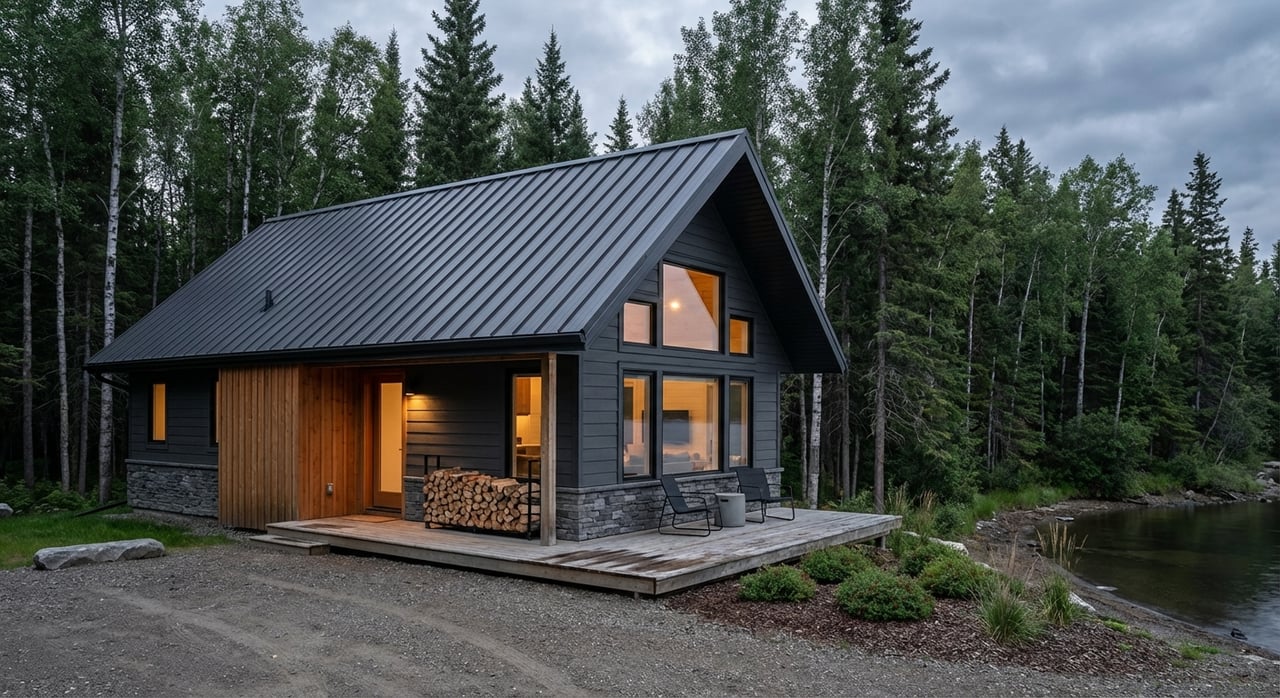
Thinking about a Big Lake cabin you can enjoy and also rent when you are not there? You are not alone. In ZIP 99652, a large share of homes are used seasonally, and the short‑term rental market has clear summer peaks. In this overview, you will learn how the market works, what guests want, what to check during due diligence, and which rules and taxes apply. Let’s dive in.
Big Lake at a glance
Big Lake sits in the Matanuska‑Susitna Borough and serves both year‑round residents and weekend owners. A defining feature is its high rate of seasonal homes. About 34% of housing in 99652 is seasonal or recreational use, which shapes supply, pricing, and rental strategy for investors. You can see that seasonal share in public ZIP profiles for the area at ZIP‑Codes.com’s 99652 page.
Pricing snapshots from consumer portals can swing a lot month to month because the ZIP covers mixed inventory and a small number of monthly sales. Treat those median charts as directional at best. For any serious offer, use MLS sold history and like‑kind comps rather than a single aggregator’s headline number.
Demand and seasonality
Summer drives bookings
Summer is the high season. Families, groups, and Anchorage weekenders prize lake access, fishing, and long daylight. Listings and booking pages for the area show June as a frequent occupancy peak, with strong pricing for weekly and holiday stays. You can get a feel for inventory and amenities by browsing VRBO’s Big Lake search results.
Shoulder and winter still matter
Shoulder seasons bring anglers, hunters, and remote‑work travelers who want quiet weeks. Winter demand is smaller overall but meaningful for the right setup. Snowmachining, ice fishing, and aurora watching can keep calendars moving, especially for homes that are well winterized and can host groups.
Events add pop to calendars
Occasional regional events and stronger destination marketing can lift bookings beyond core summer. Borough reports of rising bed‑tax receipts reflect growing visitor activity, and civic projects aim to keep that momentum going. See how Mat‑Su’s visitor promotion efforts have trended in this local update on bed‑tax performance and CVB plans.
What guests look for
Most guests are drive‑market travelers from Anchorage and the Mat‑Su. They want kitchens, easy parking, gear storage, and lake access. Listings that include a dock, boat or kayak use, hot tub or sauna, and clear instructions for gear tend to earn stronger reviews and support premium rates.
Revenue signals you can trust
At the market level that includes Big Lake and Wasilla, third‑party STR analytics report an average occupancy near 55% and average daily rates around $200 to $210. Use this as a baseline, then model your specific property around it. You can view a high‑level snapshot on AirDNA’s Wasilla market overview.
Those numbers are sensitive to listing mix and season. Summer can push both occupancy and rates higher, while winter slows. Your property’s waterfront, dock access, sleeping capacity, and amenities will also shift results. Always compare like with like before you project revenue.
Property types that perform
Lakefront cabins and log homes
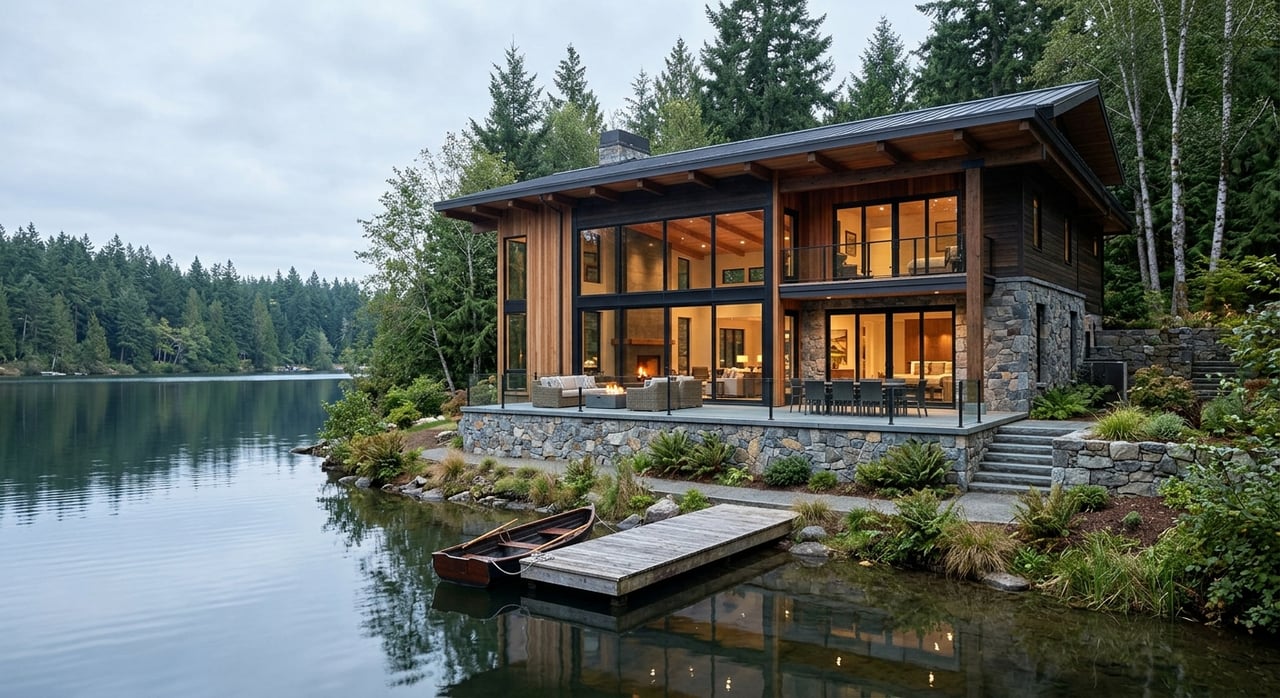
These are the top of the market. Private or community docks, gentle shoreline, and easy boat launching make a big difference. Larger homes that sleep bigger groups can capture premium summer weeks and long weekend bookings.
Smaller rustic cabins and mobiles
Inland or smaller lake‑adjacent cabins can do well as value listings, especially if they are clean, warm, and thoughtfully equipped. Winterized systems, a reliable heat source, and clear access instructions matter more than decor.
Group‑friendly layouts
Homes with multiple bedrooms, flexible bunks, and large common spaces attract families and small groups. If your septic and water systems support it, dial in the sleeping plan and list maximum occupancy that is both legal and comfortable.
Site constraints to check early
Water and wastewater capacity
Many Big Lake properties use wells and on‑site septic. Septic design and permitted capacity affect how many guests you can legally host. Before you set an occupancy target, inspect records and confirm if upgrades are needed. For background on rules and permitting, review ADEC’s onsite wastewater guidance and FAQs at the ADEC wastewater regulations page.
Power, heat, and winter readiness
Forced‑air, radiant, or propane systems are common. Your winter performance will depend on good insulation, backup heat, and easy fuel access. If the driveway is private, plan for plowing and sanding. Reliable winter access directly affects reviews and repeat bookings.
Internet and remote‑work needs
Service can vary by street. Some addresses use cable or fiber where available, but many owners rely on satellite, including Starlink, for stable speeds. Verify options by address and test speeds before you promise work‑friendly Wi‑Fi in your listing.
Docks and waterfront rights
Confirm what you actually own and what you are allowed to build or advertise. Structures on or over the water can trigger state or borough rules. Use the Borough’s Planning and Land Use Maps to review parcels, easements, and relevant layers, and ask about shoreline requirements during due diligence.
Flood and hazard exposure
Some areas carry flood risk. Check FEMA and Borough Risk MAP products for your parcel, then price flood insurance and any mitigation you may need. Start with the Borough’s Risk MAP resources here: Mat‑Su Risk MAP Study.
Rules, taxes, and permits
- Bed tax: Mat‑Su Borough imposes a 5% bed tax on overnight stays. Hosts are responsible for registration, filing, and remittance, even if platforms collect. Details and quarterly schedules are on the Mat‑Su bed‑tax page.
- Alaska business license: Most STR operators need a state business license. You can register through the Alaska CBPL portal.
- Zoning and permits: Confirm that your zoning allows short‑term rentals or whether a conditional use permit is required. The Borough’s planning maps are a good starting point, followed by a call to Planning staff for clarity.
- Septic and occupancy: Match your advertised headcount to septic capacity and documentation. If you plan to host larger groups, ask what reviews or upgrades are needed. See ADEC’s wastewater FAQ for context.
- Insurance and safety: Price policies that explicitly cover STR activity and waterfront risks. Prepare a guest safety kit and post clear rules for water and winter gear.
A simple underwriting checklist
Use this four‑step framework before you write an offer on a Big Lake rental:
- Confirm the rules
- Register for the 5% bed tax and verify licensing on the Mat‑Su bed‑tax page.
- Buy your state license via the Alaska CBPL portal.
- Check zoning and contact Borough Planning through the planning maps.
- Verify water, septic, and insurance
- Pull septic design docs and pump history. Compare permitted capacity to your planned guest count. Review ADEC’s wastewater FAQ to understand approval paths.
- Get quotes for STR‑friendly liability and dwelling coverage.
- Build your comp set
- Gather 12 months of market data for occupancy, ADR, and seasonality from AirDNA’s Wasilla overview.
- Walk through current listings on VRBO for Big Lake to see amenity sets, cleaning fees, minimum stays, and rate patterns.
- Ask your agent for MLS sold comps on like‑kind properties, especially lakefront with docks.
- Stress test winter
- Model a slower winter with lower occupancy and higher utilities. Add line items for fuel deliveries, snow removal, and guest support.
Read listings like a pro
When you compare 6 to 8 nearby listings, note these details:
- Water access: private dock, shared dock, or public launch only.
- Sleeping setup: true bedrooms, bunks, and legal occupancy based on septic.
- Amenities that drive rate: hot tub or sauna, boats or kayaks, gear storage, workspace, EV charging.
- Fees and rules: cleaning fee, pet policy, minimum stays, and house rules.
- Calendar shape: how far out summer weeks are booked and how hosts price holidays.
Use these to build a realistic gross revenue range. Then subtract platform fees, cleaning and turnover, utilities, fuel, insurance, taxes, and reserves for CapEx.
Big Lake vs other Alaska destinations
Big Lake is a lakeside weekender market with strong drive‑market demand from Anchorage. By comparison, Talkeetna and Homer pull more out‑of‑state visitors in peak season and often post higher ADRs, while Girdwood centers on ski demand with a stronger winter. If you are comparing locations, use third‑party tools to benchmark ADR and occupancy across markets, starting with AirDNA’s Wasilla overview and any custom reports you commission.
What this means for you
If you want a cabin that pays its way, Big Lake offers a practical blend of lifestyle and income. The summer season can be strong, and there is steady drive‑market demand. Success comes down to waterfront access, smart amenity choices, honest occupancy aligned to your septic capacity, and clean execution on taxes, licensing, and guest care.
Ready to evaluate a property or bring a current cabin to market with stronger positioning? Reach out to Jacob Sebring for local comps, a tailored STR underwriting worksheet, and a step‑by‑step plan. Get Your Instant Home Valuation.
FAQs
What defines Big Lake’s cabin market in ZIP 99652?
- A notably high share of seasonal housing, about 34%, plus mixed year‑round and weekend use that creates a steady summer rental scene. See the seasonal context on ZIP‑Codes.com’s 99652 page.
What are typical occupancy and rates for Big Lake rentals?
- Regional analytics that include Big Lake and Wasilla show around 55% occupancy and ~$200 to $210 ADR on average. Check AirDNA’s Wasilla overview and then model your specific property.
Do I need a license or to collect taxes for a Big Lake STR?
- Yes. Mat‑Su’s 5% bed tax applies to overnight stays and is filed quarterly, and most operators need a state business license. Start with the Mat‑Su bed‑tax page and the Alaska CBPL portal.
How do wells and septic systems affect guest occupancy?
- Your septic’s permitted capacity can cap legal occupancy. Review system design, maintenance records, and ADEC guidance before you advertise headcount. See the ADEC wastewater FAQ.
How can I check flood risk and dock permissions at Big Lake?
- Use the Borough’s planning maps and the Mat‑Su Risk MAP Study to review parcels, hazards, and shoreline considerations. Confirm details with Borough staff during due diligence.
When is the best time to list my Big Lake cabin for rent?
- Open your calendar early for late spring and summer, and price peak weeks with confidence. Then plan a winter strategy focused on snow sports, ice fishing, and group‑friendly amenities.