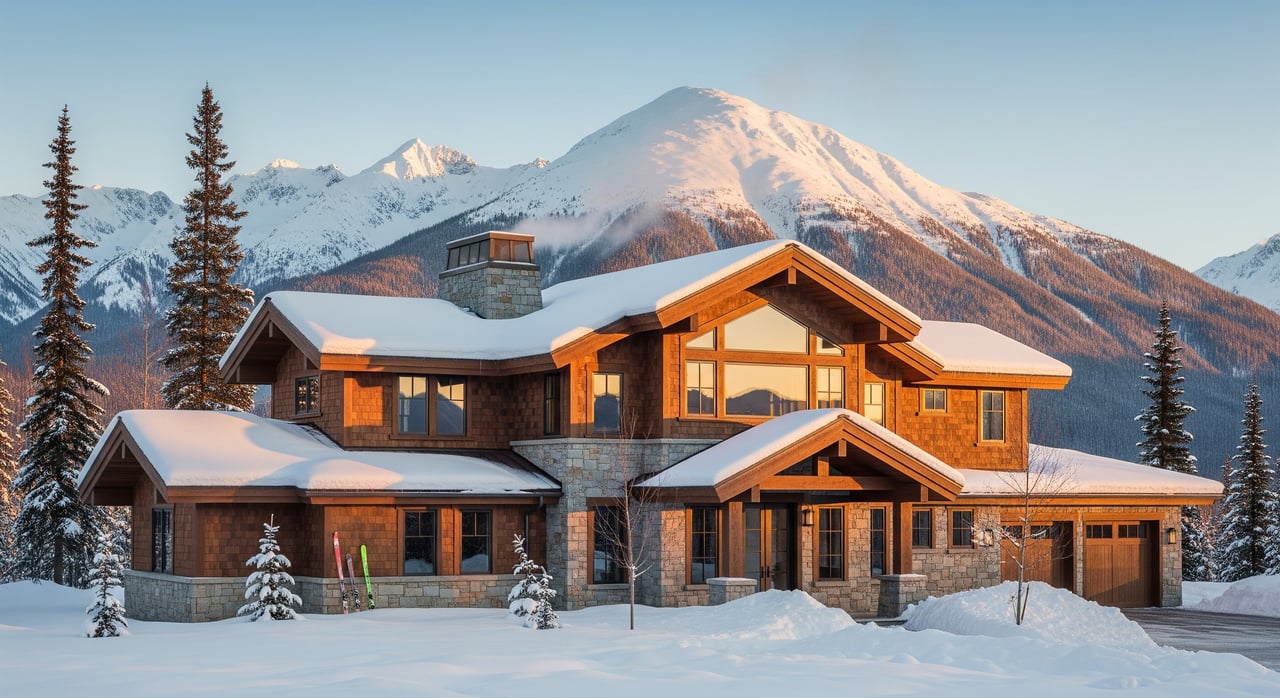
Dreaming about first tracks at Alyeska and a warm fire waiting after last chair? Buying a ski home in Girdwood can deliver that lifestyle, but the right choice depends on clear tradeoffs around location, winter access, HOA rules, and operating costs. In this guide, you’ll learn how proximity to the mountain affects value, what to look for in HOA documents and inspections, and a step-by-step path to closing with confidence. Let’s dive in.
Why Girdwood works for ski homes
Girdwood is a mountain community within the Municipality of Anchorage, centered around the Alyeska basin and resort. Proximity to the lifts shapes price, property type, and rental demand. You’ll see condo and townhome options close to the mountain, single-family and chalet-style homes across the valley, and occasional land parcels with topography and access considerations.
Seasonality matters. Listings tend to peak when access and showings are easier, while winter and summer tourism can keep rental occupancy high. Inventory can feel tight, so you may face competition during prime listing windows.
Proximity to Alyeska: key tradeoffs
Slope-side convenience
Properties steps from the lifts deliver unmatched access. Expect a premium price, more guest traffic, and more HOA oversight. These buildings often carry higher operating budgets due to snow management and shared systems.
Valley living
Homes a short drive or shuttle ride from the resort can offer quieter settings, larger lots, and a lower purchase price. You’ll trade some convenience for more space and privacy. Budget time and transportation for getting to and from the mountain.
Getting around
Check shuttle access, parking rules, and any private parking limitations. If you plan to host guests, confirm on-site and guest parking capacity and whether there are seasonal restrictions.
HOA rules you must review
Resort-area HOAs can vary widely. Before you write an offer, ask for full documents and recent meeting minutes.
- Snow removal responsibilities and schedules, including what the HOA plows and what you must handle.
- Parking rules and guest limits, which affect everyday use and potential rentals.
- Short-term rental rules, minimum stays, or caps. Some HOAs prohibit vacation rentals.
- Maintenance standards for roofs, heating, shared utilities, and any snow-melting infrastructure.
- Reserve funding, recent special assessments, and the latest reserve study or budget.
Expect higher HOA budgets in some complexes due to winter operations and common-area heating.
Winter access and maintenance
Know who clears what. Public roads are typically maintained by the municipality, while private roads and driveways fall to the HOA or owner. Confirm snow storage locations so plowing doesn’t block access.
Driveway slope affects costs and safety. Steeper approaches may require more frequent plowing or heated systems, plus an AWD or 4WD vehicle. Verify street parking rules near the resort, especially during peak weekends and events.
Natural hazards to evaluate
Avalanche exposure and slope stability are real considerations near mountain terrain. Review local avalanche mapping and advisories, and ask for any historical mitigation reports for the property or area. If a home sits below steep slopes, consider a geotechnical or slope-stability assessment.
Also review potential creek flooding, erosion, and roof snow loads. Check flood maps for creek-adjacent properties and discuss snow-load history with your inspector and roofer.
Systems, utilities, and power
Heating sources can include electric, propane, fuel oil, and pellet or wood stoves. Confirm fuel storage, delivery access, and recent service records, plus typical seasonal costs.
Water and sewer vary by location. Some homes are on municipal services, while others use wells and septic systems. Verify inspection history, capacity, and maintenance responsibilities.
Mountain weather can cause outages. If year-round reliability matters, evaluate generator capability or backup systems and the ease of servicing them.
Insurance, financing, and ongoing costs
Heavier snow loads, winter weather, and any avalanche or flood exposure can affect insurance availability and premiums. Get quotes early, including any needed endorsements or flood coverage if you are in a mapped floodplain.
Vacation properties and resort-area condos can carry stricter underwriting standards and higher down payments. Lenders may require project approval for condos and additional reserves for second homes. Plan time for appraisal review that reflects slope-side premiums.
Alaska has no state income tax, but property taxes and local rules still apply. Confirm current Municipality of Anchorage property tax rates and any applicable local sales or lodging taxes. Budget for HOA dues, utilities, snow removal, heating fuel, roof and ice maintenance, and rental management if you plan to host guests.
Short-term rental rules
If you intend to rent during ski season, verify requirements with the Municipality of Anchorage and your HOA before making an offer. Some associations permit STRs with conditions, while others restrict or prohibit them.
If STRs are allowed, confirm registration steps, any transient lodging tax obligations, and whether on-site management or minimum-stay rules apply. Review past rental performance if you’re buying a property with an established history.
Resale and liquidity
Resort homes can perform well, but buyer pools may be narrower than in typical city neighborhoods. Liquidity tends to track proximity to the resort, overall condition, documented rental history, and on-site parking. Broader economic conditions can also influence second-home demand.
Your due diligence checklist
Use this list to keep your purchase on track and reduce surprises.
- Documents to review: HOA CC&Rs, bylaws, rules, budgets, reserve study, insurance summaries, and recent meeting minutes; seller disclosures; permits for any additions.
- Inspections: general home; roof and snow-load systems; heating systems and fuel storage; chimney or stove; septic and well where applicable; structural and foundation; geotechnical or avalanche review near slopes; pest and mold as appropriate; flood map review for creek valleys.
- Title and access: title search for easements, recorded hazard notices, and road maintenance agreements; verify year-round legal access.
- Insurance and utilities: obtain insurance quotes early; confirm utility providers, billing history, and any transferable accounts.
- Rentals: verify STR compliance, tax remittance history, and prior occupancy and maintenance records if buying an income-producing property.
Step-by-step path to closing
Follow a Girdwood-specific sequence to move confidently from interest to keys.
- Initial research
- Identify preferred areas: slope-side, valley, or hillside. Check zoning, water/sewer maps, and access roads.
- Speak with a local agent experienced in Alyeska-area properties.
- Get preapproved with a lender familiar with resort and condo loans.
- Property selection
- Shortlist homes by proximity, HOA rules, and winter access.
- Compare recent sales while accounting for seasonal effects and slope-side premiums.
- Request HOA documents and any assessment history early.
- Visit in two seasons
- Summer: review access, drainage, vegetation, and general condition.
- Winter or winter-condition review: confirm plowing, walking routes to lifts or shuttle stops, snow storage, and storm accessibility. If a winter visit is impossible, request recent winter photos or videos and speak with neighbors or the HOA.
- Offer and contingencies
- Include inspection, HOA document review, financing, and appraisal contingencies.
- If needed, add a short winter-access or seasonal-condition contingency.
- Set earnest money in line with local competitiveness.
- Due diligence period
- Schedule inspections with mountain-experienced pros.
- Send HOA documents for review to flag rental limits or maintenance obligations.
- Order insurance quotes and review HOA insurance coverage.
- Review title, easements, and access rights.
- Appraisal and underwriting
- Ensure the appraiser understands resort comps and slope-side premiums.
- Address lender conditions quickly and confirm funding timelines.
- Final walk-through and closing
- Verify repairs, access, keys, gate remotes, and HOA transfer steps.
- Close escrow and collect all HOA and system manuals.
- Post-closing setup
- Set up utilities and line up snow removal if owner-responsible.
- Register for any required rental permits and lodging tax filings if applicable.
- Schedule seasonal maintenance for roof snow, ice mitigation, drainage, and vegetation.
When to visit: summer vs. winter
A summer visit lets you assess site drainage, sun exposure, vegetation, and overall condition without snow cover. You can also get a sense of parking and road width without winter berms.
A winter review shows the realities of plowing, walking routes, ice buildup, and how the neighborhood handles storms. If you cannot be on-site in winter, request recent photos or videos and speak with the HOA about plowing standards and snow storage.
Work with a local guide
Buying in a mountain resort community involves details you cannot afford to miss. A local, resort-savvy agent will help you weigh slope-side premiums against valley value, decode HOA budgets and rules, and coordinate the right inspectors and insurance quotes. If you want a smooth, informed path to keys in Girdwood, connect with a team that pairs Alaska expertise with modern, responsive service.
Ready to talk through a Girdwood plan or see current options near Alyeska? Reach out to Jacob Sebring for local guidance and a confident, winter-ready purchase.
FAQs
How is buying in Girdwood different from Anchorage city neighborhoods?
- Expect stronger seasonality, proximity-driven pricing near Alyeska, HOA and snow-management nuances, and winter-focused inspections like roof snow load and access.
Who is responsible for snow removal in Girdwood?
- Public roads are typically maintained by the municipality, while private roads and driveways fall to the HOA or owner; confirm responsibilities for each parcel you consider.
Are short-term rentals allowed near Alyeska?
- It depends on both municipal rules and your HOA’s covenants; verify both before you write an offer and confirm any lodging tax and registration steps.
What inspections matter most for a ski home?
- In addition to a general home inspection, prioritize roof and snow-load systems, heating equipment, septic and well if applicable, and geotechnical or avalanche assessments near steep slopes.
Do I need special insurance for a Girdwood ski home?
- You may need endorsements for heavy snow loads or specific hazards, and flood insurance if in a mapped floodplain; get quotes early to confirm coverage and cost.
How close to the lifts should I buy?
- Choose based on your lifestyle and budget: slope-side maximizes convenience and rental appeal, while valley homes can offer more space and quieter surroundings at a lower price point.