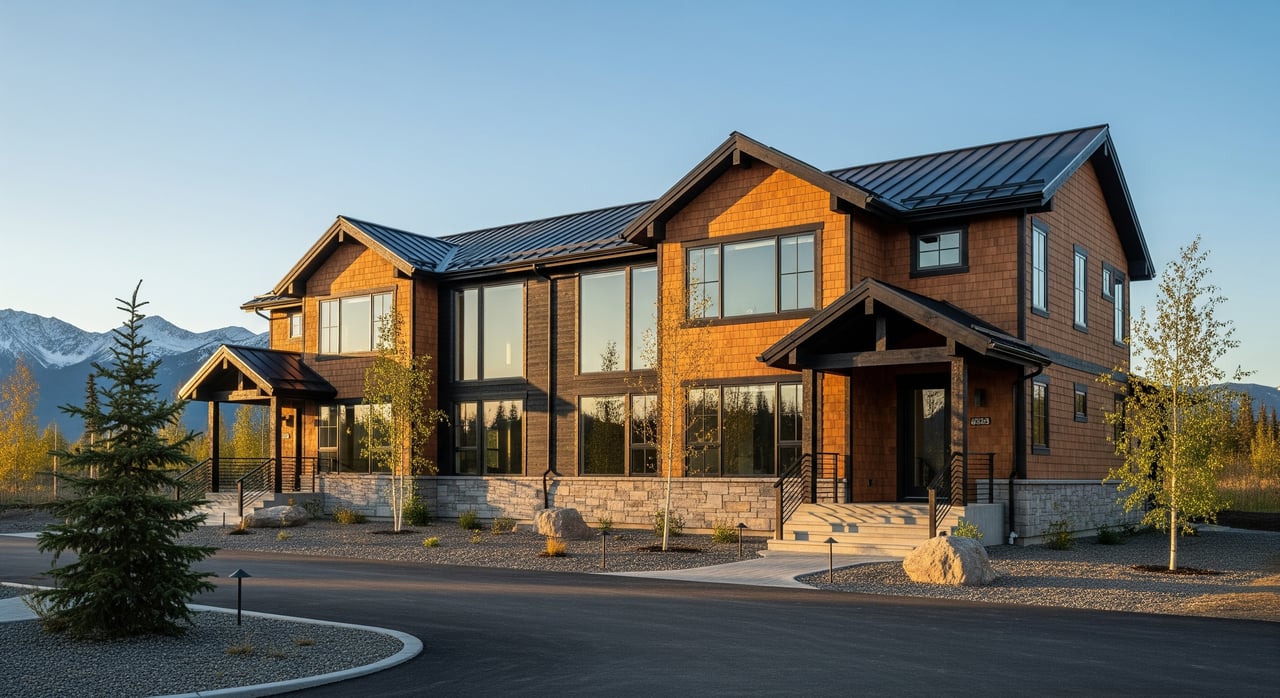
Thinking about buying a duplex in Wasilla but unsure how to judge a good deal from a time sink? You are not alone. Investors want steady cash flow and long-term upside, but Alaska’s climate, utilities, and seasonal patterns can make underwriting tricky. In this guide, you will learn a simple, local-first way to estimate rent, model expenses, and screen returns for Wasilla duplexes with confidence. Let’s dive in.
Why Wasilla duplexes stand out
Wasilla is a primary population center in the Matanuska‑Susitna Borough and a practical alternative to Anchorage for many commuters along the Parks and Glenn Highways. Local demand reflects employment across Anchorage, energy and resource industries, the public sector, and local retail and services.
Cold winters shape both tenant preferences and your expense line. Heating costs, snow removal, and building insulation quality matter. Turnover often clusters in late spring and summer, so timing and vacancy assumptions should reflect local seasonality.
Before you run numbers, confirm the regulatory and operating setup. Check Mat‑Su Borough Assessor records for property taxes, review Alaska landlord‑tenant law for deposits and notice periods, and verify the heating source and which utilities the owner pays. These items directly impact net income.
Estimate Wasilla rents fast
A quick but defensible rent estimate helps you decide if a deal is worth deeper work.
Build your comp set
- Focus on Wasilla and similar commute times to major job centers.
- Match unit type, size, and layout, for example a single-level duplex unit vs a townhouse unit.
- Use 5 to 10 active asking rents and, if possible, 3 to 5 recently leased rents from sources like local MLS portals, Zillow, Redfin, Apartments.com, Rentometer, Craigslist, and local property managers.
Adjust for features and utilities
- Bedrooms and bathrooms: adjust for meaningful differences. A full extra bath may add about 7 to 12 percent.
- Recent renovation: newer kitchens, baths, and flooring can support a 10 to 20 percent premium.
- Utilities: if the owner pays heat or water and sewer, adjust rent up by the expected monthly cost. In Alaska climates, a conservative placeholder is often 100 to 300 dollars per month for heat when details are unknown.
- Amenities: on-site laundry or a garage can add 25 to 75 dollars per month depending on demand.
Produce a rent range
- Create three points: conservative, mid, and optimistic.
- If you only have asking rents, discount them slightly since they can be optimistic.
- Underwrite with the conservative figure, and keep the mid point as your market expectation.
A quick illustrative example
- Suppose you gather eight two-bedroom listings in Wasilla and the median asking rent is 1,400 dollars.
- Two are renovated at 1,600 dollars, and two include heat and water.
- A conservative underwriting approach is to use the lower quartile or reduce the median by 5 to 10 percent for prudence.
Model Alaska-grade expenses
Duplex underwriting in Mat‑Su works best when you include every common line item and lean conservative.
Core expense categories to include
- Property taxes from the Mat‑Su Borough Assessor
- Insurance, landlord hazard and liability
- Utilities that the owner pays, for example heat, water, sewer, trash
- Repairs and routine maintenance
- Turnover costs between tenants
- Capital reserves, roof, heating equipment, water heater, exterior
- Property management fees if you use a manager
- Vacancy and credit loss
- HOA fees if any
- Miscellaneous, snow removal, landscaping, pest control, legal, marketing
Conservative starting assumptions
- Insurance: 75 to 175 dollars per unit per month until you have quotes.
- Owner-paid utilities: 50 to 200 dollars per unit per month if responsibilities are limited. If you pay heat, obtain local fuel estimates and adjust upward.
- Repairs and maintenance: 5 to 10 percent of effective gross income.
- Turnover work: 500 to 3,000 dollars per unit per turn, use the higher end in cold climates.
- Capital reserves: 250 to 500 dollars per unit per year for older properties. Even newer homes often merit 150 to 300 dollars per unit per year.
- Property management: 8 to 12 percent of collected rent for small multifamily.
- Vacancy and credit loss: 5 to 10 percent of potential gross income for Mat‑Su, use the higher end if seasonality or concessions are common.
- Property taxes: pull the parcel’s assessed value and mill rate from the assessor and use the actual bill rather than a generic percentage.
Seasonal costs to watch
- Heating fuel variability: confirm whether the system is natural gas, propane, fuel oil, or electric, and who pays. Price swings can affect affordability and net income.
- Snow removal and parking: plan recurring plowing and walkway maintenance. Garages and off-street parking increase tenant appeal in winter.
- Water and septic: verify municipal water and sewer or septic details, since maintenance and cost profiles differ.
- Insurability: obtain local quotes early, especially if there is a history of winter-related claims.
Underwrite returns with local targets
Clear targets make it easier to spot a winner and skip the rest.
Key metrics and formulas
- Cap rate = Net Operating Income divided by Purchase Price.
- Gross Rent Multiplier, GRM = Purchase Price divided by Annual Gross Scheduled Rent.
- Cash-on-cash return = NOI minus Debt Service, divided by Investor Equity.
- DSCR, Debt Service Coverage Ratio = NOI divided by Annual Debt Service.
What cap rates make sense in Mat‑Su
- A practical screening band for small multifamily in Mat‑Su is about 6 to 9 percent. Many conservative buyers look for 7 to 9 percent to offset higher maintenance and management intensity in duplexes.
- GRMs often pencil in a 6 to 12 range, lower is better for income.
- First-year cash-on-cash targets often range from 6 to 12 percent for long-term investors, higher if you plan value-add work.
- Lenders commonly look for DSCR of 1.20 to 1.25 or higher on small investment properties.
When to demand higher yields
- Higher or seasonal vacancy
- Older buildings with deferred maintenance
- Owner responsibility for high heating costs
- More remote or slower-growth submarkets
- Smaller properties where per-unit risk is higher
When lower yields can pencil
- Prime Wasilla locations with low vacancy
- Newly renovated units with proven rent premiums
- Long-term leases with strong tenants
- Strong employment trends and constrained rental supply
Quick screening checklist
Use this checklist for the first 10 to 30 minutes on any duplex lead.
- Confirm property type and metering, separate electric or gas meters or a single meter. Metering affects rent comparability and expense recovery.
- Note asking price, unit mix, beds, baths, and approximate square footage.
- Pull 5 to 10 rent comps and create conservative, mid, and optimistic rent points. Underwrite with the conservative figure.
- Run a quick pro forma: vacancy 5 to 10 percent, repairs 5 to 10 percent of effective gross income, management 8 to 12 percent, reserves 250 to 500 dollars per unit per year, plus actual or estimated taxes and insurance.
- Compute implied cap rate and GRM from your conservative scenario.
- If cap rate meets your target, for example 7 percent or higher, move to deeper due diligence. If not, pass unless there is credible near-term upside.
Red flags to investigate
- Unusually high property tax bill compared to similar properties
- Roof issues, water damage, foundation concerns, or visible mold
- Nonconforming units or missing permits for rental conversion
- Owner stuck with high seasonal heating costs and no clear recovery path from tenants
- Several nearby vacant properties or signs of decline
- Title complexities, easements, or encroachments
- Tenancy risks, expired leases, undocumented tenants, or frequent turnover
When to call a local pro
- The implied cap rate is close to target but condition is unclear, schedule an inspection and get contractor bids.
- The seller’s rent claims are above market comps, request the rent roll and bank statements to verify collections.
- Financing is complex or DSCR is tight, loop in a mortgage broker early to check feasibility and rates.
- Multi-unit or lot lines are unclear, or a future unit conversion is possible, consult the borough planning and building departments.
- You have questions about 1031 exchange timelines or structuring, consult a CPA or tax attorney who knows Alaska real estate.
You do not have to navigate this alone. If you want investor-ready comps, local management norms, and clear offer math tailored to Wasilla and Mat‑Su, connect with our boutique team. We pair local market knowledge with tech-enabled analysis so you can move fast and buy with confidence. Reach out to Jacob Sebring for a focused strategy session.
FAQs
How do I estimate Wasilla duplex rents without MLS access?
- Start with 5 to 10 active listings from public sources like Zillow, Redfin, Apartments.com, Rentometer, Craigslist, and local property manager sites. Match unit type and size, adjust for renovations and utilities, then underwrite the lower quartile.
What is a good cap rate target for a Wasilla duplex?
- Many investors screen at about 6 to 9 percent for Mat‑Su, with conservative buyers preferring 7 to 9 percent to offset higher operating risk in small properties.
How does Alaska’s winter impact duplex cash flow?
- Heating fuel and snow removal increase operating costs, insulation and building envelope quality affect tenant comfort and your expenses, and turnover often concentrates in late spring and summer, which can affect vacancy assumptions.
How should I adjust rent if the owner pays heat?
- Adjust rent upward by the expected monthly fuel cost. If unknown, a conservative placeholder in Alaska climates is 100 to 300 dollars per month until you verify with local providers.
What vacancy rate should I use for Wasilla underwriting?
- A conservative range for Mat‑Su is 5 to 10 percent of potential gross income. Use the higher end if comps show seasonality or if the property’s tenant base is more transient.
What DSCR do lenders usually require on small multifamily in Mat‑Su?
- Many lenders look for a DSCR of 1.20 to 1.25 or higher, but you should confirm the requirement with your lender early in the process.