Buying your first home in Palmer can feel exciting and a little overwhelming at the same time. You may be wondering how much house you can afford, what to look for during tours, and how Alaska’s climate and utility setup can affect your decision. The good news is that with the right plan, you can shop with more clarity and avoid common first-time buyer mistakes. Let’s dive in.
Why Palmer appeals to first-time buyers
Palmer offers a different pace and housing mix than many larger markets. According to the U.S. Census Bureau, the city’s 2024 population estimate is 6,626, with an owner-occupied housing rate of 63.1% and a median owner-occupied home value of $294,900. That smaller-market feel can be appealing if you want a more local, community-centered place to put down roots.
Palmer is also not a one-style housing market. City planning materials describe a mix that includes higher-density housing near downtown and homes in more rural settings on the edges of the city. In practical terms, that means your search may include everything from neighborhood subdivision homes to properties with a more spread-out feel.
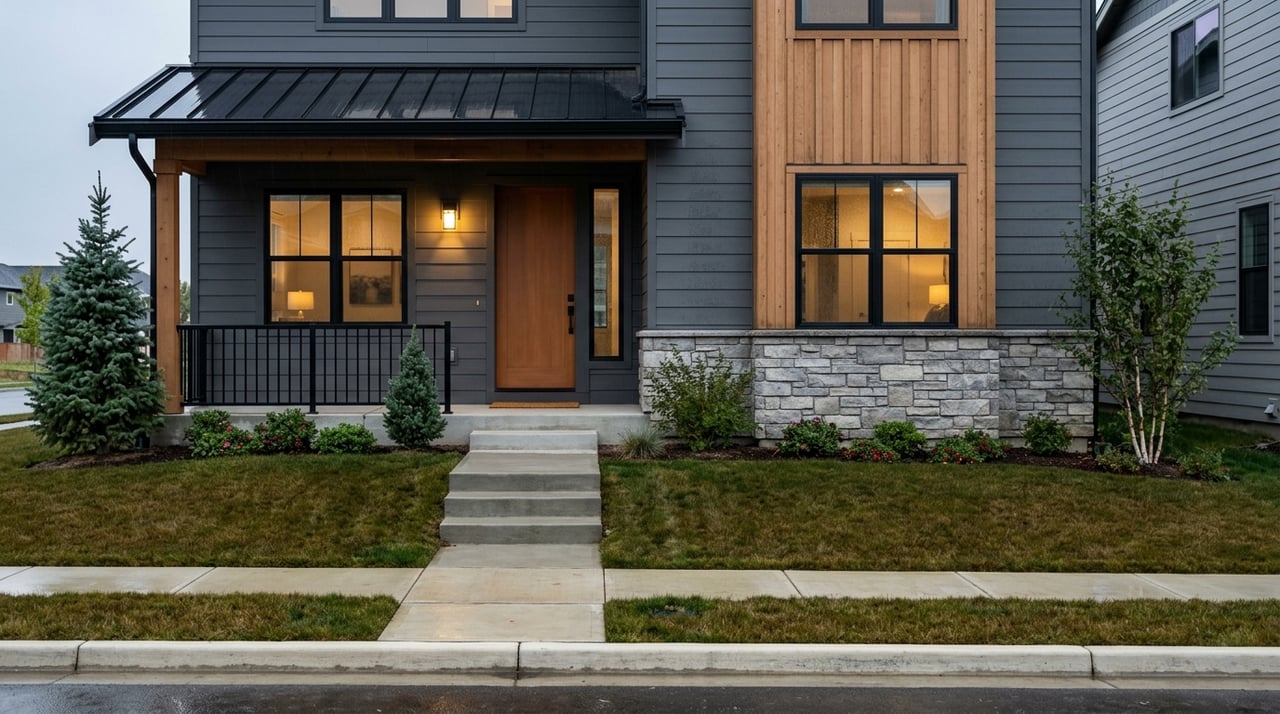
You may also see a mix of home styles as you tour. A city valuation document for Majestic Hills Subdivision, for example, describes ranch, split-entry, and two-story homes built in the mid-2000s. While that example is specific to one subdivision, it shows that some parts of Palmer look much more like a conventional neighborhood than many first-time buyers expect.
Build your budget before you tour
One of the biggest first-time buyer mistakes is starting with online listings instead of the numbers. In Palmer, that matters because the jump from renting to owning can be meaningful. Census data shows a median gross rent of $1,125, compared with a median monthly owner cost with a mortgage of $1,678.
That does not mean buying is out of reach. It means you should know your monthly comfort zone before you fall in love with a home. Your budget should include the mortgage payment, property taxes, insurance, utilities, and room for day-one costs like moving and setup.
The Consumer Financial Protection Bureau says closing costs usually run about 2% to 5% of the purchase price. It also notes that many loans require at least 3% down, while many lenders ask for 5% or more. On top of that, you should leave space in your budget for repairs, moving costs, and utility setup.
Get preapproved early
Preapproval gives you a clearer price range and helps you shop with more confidence. The CFPB recommends meeting with multiple lenders, getting a preapproval letter, and keeping your payment and closing-cost estimates updated while you search. That can help you avoid surprises if rates, taxes, or insurance estimates shift during your home search.
As you compare lenders, pay close attention to the Loan Estimate. The CFPB says this form shows the estimated interest rate, monthly payment, total closing costs, taxes, and insurance. It also points out that property taxes are set by local or state government, not by the lender, which is an important detail when you are budgeting for a Palmer purchase.
Explore Alaska first-time buyer programs
If you are buying your first home in Palmer, Alaska-specific financing options are worth a close look. Alaska Housing Finance Corporation, or AHFC, defines a first-time homebuyer as someone who has not owned a primary residence in the last three years. That definition matters because it may open the door to loan options designed specifically for first-time buyers.
AHFC offers First Home and First Home Limited programs. First Home Limited has income and acquisition-cost limits and may offer lower rates for eligible borrowers, while First Home has no maximum income or acquisition-cost limits. AHFC also offers a 97% loan-to-value option, energy-efficiency rate reductions, low-income borrower rate reductions, and a state veterans preference.
AHFC also provides a free online class called HomeChoice Steps to Homeownership. The class can earn up to a $250 credit on a single-family loan product, and AHFC advises buyers to contact an approved lender early for prequalification. For some eligible Mat-Su borrowers, the Home Opportunity Program may also help with down payment and closing costs through Alaska Community Development Corporation.
Know what to ask on Palmer home tours
In Palmer, a good tour is about more than layout and finishes. You also need to know how the property functions day to day, especially when it comes to utilities and systems. That starts with asking whether the home uses city utilities or private systems.
The City of Palmer provides water, sewer, and in some areas refuse service. To start city utility service, the city requires a connection form, identification, and a $100 utility deposit. City documents also note that properties within city boundaries are generally expected to use city utilities if practical, though approved onsite systems like well and septic may be allowed when city service is not practical.
That utility question should be part of every showing. If a home uses a private well or septic system, your due diligence will look different than it would for a home on municipal service. Knowing that early helps you ask better questions before you write an offer.
Inspect for Palmer’s climate
Palmer’s climate should shape how you evaluate a home. NOAA climate normals for Palmer Municipal Airport show average January temperatures of 22.4°F for the high and 8.3°F for the low, while July averages are 67.6°F and 50.7°F. That seasonal swing puts extra importance on the parts of a house that manage cold, moisture, and snow.
For many first-time buyers, the roof should move near the top of the inspection list. Cold-climate guidance from the U.S. Department of Energy explains that freeze-thaw cycles can contribute to ice dams when snow melts and then refreezes at the eaves. Good air sealing, attic insulation, and ventilation can reduce that risk.
In practical terms, your inspection should pay close attention to:
- Roof age and visible wear
- Drainage and flashing details
- Attic insulation levels
- Ventilation in the attic and roof system
- Signs of prior water intrusion
Alaska Labor also notes that roof snow load depends on local code, snow weight, drifting, roof slope, roof type, and design features. That is another reason to take roof and attic conditions seriously, especially if the home has a more complex roofline.
Pay extra attention to wells and septic systems
If you are looking at a property that is not on city service, well and septic due diligence becomes essential. Alaska DEC says buyers are likely to encounter septic systems and should review the system’s age, size, location, design records, and maintenance history. These records can tell you a lot about how the system has been cared for over time.
DEC also lists warning signs you should not ignore. These include slow drains, gurgling plumbing, sewage odors, wet soil over the drainfield, and unusually green grass. Any of those signs should trigger more questions before you move forward.
For private wells, DEC says there is no state sampling requirement, but annual testing is recommended. More frequent testing is also recommended after flooding, septic failure, a broken well cap, or a change in the water’s taste, odor, or appearance. If a home has a private well, ask what testing has been done and when.
Protect yourself in the offer process
Once you find the right home, your offer terms matter almost as much as your price. The CFPB recommends making offers contingent on financing and a satisfactory inspection. For a first-time buyer in Palmer, that is especially important if the home has roof concerns, a private well, or a septic system.
Those contingencies give you time to verify the home’s condition and your loan approval before the transaction becomes final. If an issue comes up, you may have room to renegotiate, request repairs, or step back before taking on an expensive problem. That kind of protection can make a major difference in your first purchase.
A smart first-home strategy in Palmer
The best first-home strategy is not to chase the prettiest listing first. It is to combine a clear budget, solid preapproval, local financing knowledge, and practical property due diligence. In Palmer, that means understanding the true monthly cost, checking utility setup, and looking closely at cold-weather performance.
When you approach the process this way, you can make decisions with more confidence and less guesswork. Palmer offers a range of housing types and ownership opportunities, but the smartest first purchase is the one that fits both your lifestyle and your numbers. If you want local guidance as you sort through neighborhoods, financing options, and what to watch for in a tour, connect with Jacob Sebring for personalized buyer support in Palmer and across the Mat-Su Valley.
FAQs
What is the average cost picture for first-time homebuying in Palmer?
- U.S. Census Bureau data shows Palmer’s median owner-occupied home value is $294,900, median monthly owner cost with a mortgage is $1,678, and median gross rent is $1,125, so it is smart to build your budget before touring homes.
What first-time buyer programs are available for Palmer homebuyers?
- AHFC offers First Home and First Home Limited loan programs, a 97% loan-to-value option, a free homeownership education class, and some eligible Mat-Su buyers may also qualify for down payment and closing-cost help through the Home Opportunity Program.
What should Palmer buyers ask about utilities when touring a home?
- Ask whether the property is connected to city water and sewer or uses a private well and septic system, because the inspection process and future maintenance needs can be very different.
What inspection issues matter most for first-time buyers in Palmer?
- Pay close attention to roof condition, attic insulation, ventilation, drainage, flashing, and any signs of past water intrusion, since Palmer’s cold climate can make winter-related housing issues more expensive.
What should first-time buyers check on a Palmer home with septic or a private well?
- Alaska DEC recommends reviewing septic age, size, location, design and maintenance records, watching for warning signs like slow drains or wet drainfield soil, and asking about recent well-water testing and system history.