If you picture Girdwood as only a ski-town getaway, you are seeing just part of the story. For some buyers, it is the perfect weekend retreat close to Anchorage. For others, it is a true full-time home with a slower pace, strong outdoor access, and a distinct mountain-community feel. If you are weighing both options, this guide will help you understand the tradeoffs, the housing mix, and what daily life in Girdwood can really look like. Let’s dive in.
Why Girdwood Feels Different
Girdwood is about 40 miles south of Anchorage and roughly 45 miles from Ted Stevens Anchorage International Airport. Even with Anchorage nearby, it does not feel like a typical city neighborhood. It has its own mountain-resort identity, shaped by Alyeska Resort, local trails, and a smaller year-round population of about 2,000 residents.
That difference also shows up in local land use. Girdwood has a land-use framework designed to preserve and enhance its mountain-resort character and natural environment. In practical terms, that helps explain why the community feels more like a distinct town than an Anchorage suburb.
Girdwood Housing Options
If you are deciding between a second home and a primary residence, the first question is usually simple: what kinds of homes are actually available? In Girdwood, the answer is more varied than many buyers expect.
Home Types in Girdwood
The local zoning mix includes single-family and two-family residential districts, multiple-family districts, commercial districts, industrial districts, and resort-use districts. Some districts also allow overnight lodging and visitor accommodations, which adds another layer to how properties may be used.
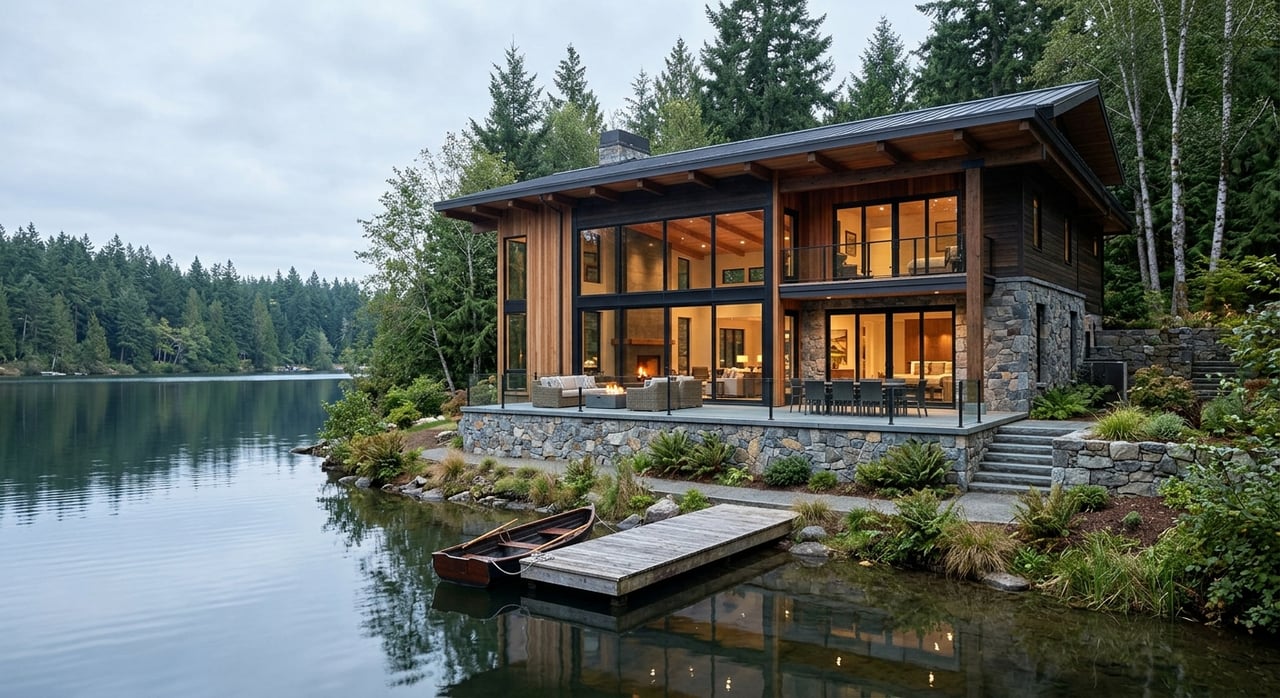
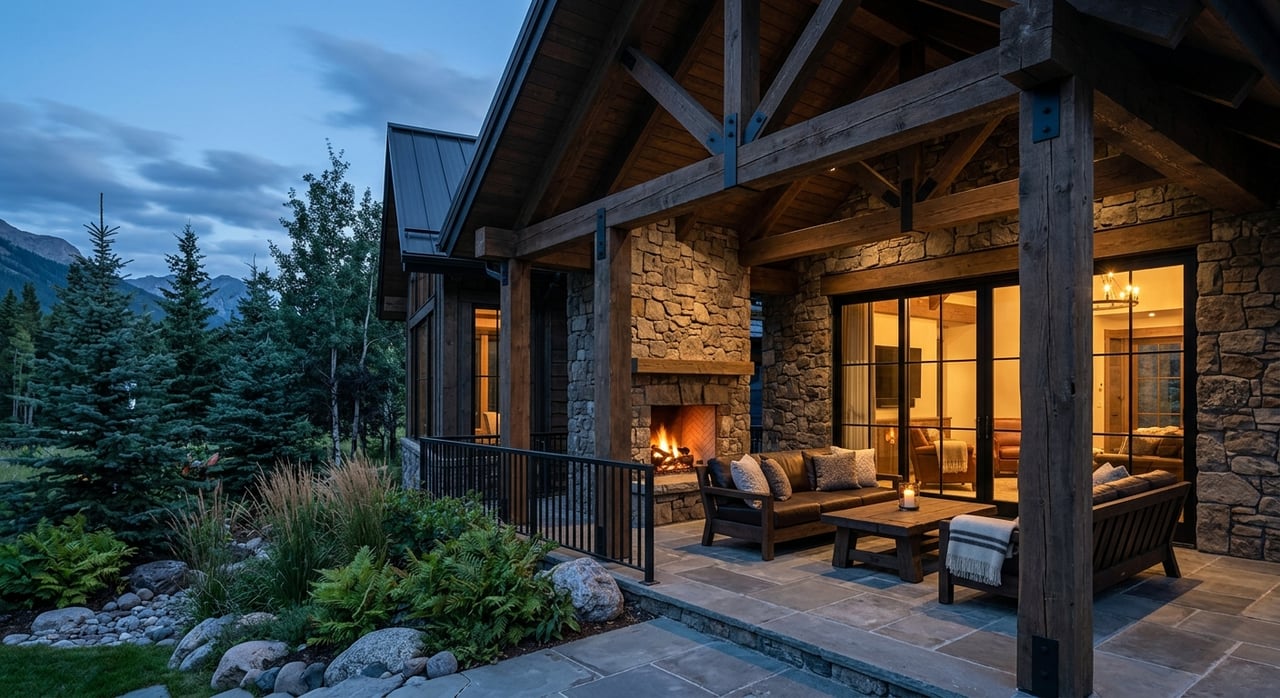
That zoning variety helps create a housing stock that includes condos, townhomes, cabins, and single-family homes. Current public listings reflect that range, from smaller studio condos to larger new-construction units with multiple bedrooms.
Market Pace and Pricing
Girdwood is a high-priced, low-volume market. Public listing snapshots place median listing figures in the roughly $715,000 to $799,000 range, while recent sold median data has been around $800,000.
Because inventory is limited, buyers often need to move with clarity and realistic expectations. This is especially true if you want a specific setup, such as a resort-adjacent condo, a cabin with year-round functionality, or a larger home suited for full-time living.
Year-Round Supply Is Tight
Girdwood is not only a vacation-home market. Municipal housing documents show the community still needs more year-round housing, including both ownership and rental units, and ownership vacancy has been reported below 5 percent.
That matters if you plan to live there full time. It means demand for year-round housing is real, and it also helps explain why the municipality has focused on projects like Holtan Hills to diversify housing types, sizes, ownership models, and price points for year-round residents.
Weekend Retreat Appeal
For many buyers, Girdwood works beautifully as a weekend home. The appeal is easy to understand because the lifestyle benefits are immediate and visible.
Easy Access to Recreation
Alyeska Resort sits right in town, and winter recreation is a major draw. In summer, the focus shifts to hiking, biking, rafting, fishing, flightseeing, and trail use.
Municipal parks materials also note about 13 miles of established trails, along with parks, a campground, and annual events such as Forest Fair and Fungus Fair. If your goal is to step into a mountain setting without committing to a remote location, Girdwood offers that balance.
Property Types That Fit Part-Time Use
Weekend buyers often gravitate toward condos, townhomes, and smaller cabins. These property types can be easier to lock and leave, and some are positioned near the resort or recreation hubs that make short stays more convenient.
That said, part-time ownership still requires careful planning. Snow, weather, maintenance timing, and access can all play a bigger role here than they would in a more urban setting.
Rental Potential Comes With Rules
Some buyers ask whether a weekend place can also serve as a short-term rental. The answer may be yes, but it is not something to treat casually.
Anchorage now requires short-term rentals to be registered by July 31, 2026, and municipal leadership has specifically said short-term rentals are affecting the housing market, especially in Girdwood. If rental use is part of your plan, you need to evaluate that strategy through the current local rules and the specific property context.
Full-Time Living in Girdwood
Yes, Girdwood is livable full time. But full-time living here works best when you understand what you are choosing and why it fits your routine.
Daily Life Is Small-Scale
Residents can handle many smaller needs locally, but often drive to Anchorage for larger purchases. That rhythm is one of the clearest signs that Girdwood functions as a real community while still depending on Anchorage for some bigger errands and services.
For some people, that is a plus. It creates a quieter day-to-day experience that feels more grounded and less busy than life in the city.
Core Services Support Year-Round Living
Girdwood has a local clinic and a branch library, which helps make it more practical as a primary residence. These are not flashy amenities, but they matter when you are evaluating whether a place can support regular, everyday life.
Education logistics are also part of the picture. Girdwood School serves Pre-K through 8, and the area is zoned to South Anchorage High School, with Anchorage School District bus service for students traveling in and out of the valley.
The Commute Is the Biggest Hinge
For many full-time buyers, the most important question is not the house itself. It is the road.
The Seward Highway connects Girdwood and Anchorage, but the corridor has experienced multi-day avalanche closures, and the nearby bike path can close intermittently in winter for blasting. In fair weather, the drive can feel workable. In winter, you need flexibility, backup planning, and comfort with weather-related uncertainty.
Climate and Seasonal Rhythm
A home in Girdwood comes with a strong seasonal personality. That can be a major benefit if you want your lifestyle to change with the calendar, but it should be part of your decision.
Wetter and Snowier Than Anchorage
Municipal planning materials describe Girdwood as wetter and snowier than Anchorage, with about 67 inches of annual precipitation. Weather can swing between cold, stable periods and milder, wetter stretches.
This affects everything from commuting to exterior maintenance to your ideal property type. A buyer looking for easy weekend use may prioritize lower-maintenance construction, while a full-time resident may focus more on storage, access, and weather resilience.
A Two-Season Town Energy
Girdwood tends to move to a different rhythm than Anchorage. Winter centers on ski traffic and snow-focused recreation, while summer brings hiking, trail use, and visitor activity tied to the outdoors.
Shoulder seasons can feel quieter by comparison. That is not a negative, but it is part of the lifestyle. If you want a place with clear peaks of energy and calmer in-between periods, Girdwood often delivers exactly that.
How to Choose the Right Fit
If you are torn between a retreat and a primary home, the best answer usually comes from your weekly routine, not just your wish list.
A Weekend Retreat May Fit You If
- You want fast access to skiing, trails, and mountain scenery
- You live primarily in Anchorage or travel in and out regularly
- You prefer a condo, townhome, or smaller cabin that is easier to manage
- You are comfortable with seasonal use patterns and weather-related logistics
A Full-Time Home May Fit You If
- You want a small-town setting with year-round outdoor access
- You are comfortable driving to Anchorage for some larger errands
- You can build flexibility into your winter travel routine
- You want a lifestyle that feels more mountain-community than city-neighborhood
What Buyers Should Keep in Mind
In a market like Girdwood, your decision is rarely just about square footage. It is about how you want to live, how often you will use the home, and how much flexibility you have for weather, access, and maintenance.
Because inventory is limited and housing types vary, it helps to compare properties through the lens of actual use. A condo near resort activity may be ideal for weekend stays, while a single-family home or townhome may better support storage, routine, and year-round living. The right choice depends on your goals more than on any one property category.
Whether you are searching for a mountain getaway or a full-time base, the smartest move is to evaluate Girdwood as its own market with its own rhythms. If you want help comparing property types, pricing, and lifestyle fit in Girdwood, Jacob Sebring can help you make a clear, confident decision.
FAQs
Is Girdwood a good place for full-time living?
- Yes. Girdwood supports year-round living with a local clinic, branch library, local school through 8th grade, and access to Anchorage, but daily life includes a smaller service base and weather-sensitive travel.
Is Girdwood only a vacation-home market?
- No. Girdwood includes year-round neighborhoods, condos, townhomes, cabins, and resort-use areas, and municipal planning efforts are focused on adding more year-round housing supply.
Can a Girdwood weekend home be used as a short-term rental?
- Possibly, but you should not assume it is automatic. Anchorage requires short-term rentals to be registered by July 31, 2026, so any rental plan should be reviewed carefully under current local requirements.
What types of homes can you buy in Girdwood?
- Buyers can find a mix of condos, townhomes, cabins, and single-family homes, with zoning that supports a range of residential and resort-related property types.
How far is Girdwood from Anchorage?
- Girdwood is about 40 miles south of Anchorage and roughly 45 miles from Ted Stevens Anchorage International Airport.
What is the biggest challenge of living in Girdwood year-round?
- For many residents, the biggest factor is highway access in winter, since the Anchorage-Girdwood corridor can be affected by avalanche closures and changing weather conditions.