Thinking about when to buy or sell in Anchorage? In Southcentral Alaska, the season you choose can shape your price, your timeline, and even how your home photographs. You want a plan that fits daylight, weather, and PCS cycles so you do not leave money on the table or miss the right home. In this guide, you will learn how Anchorage’s market changes by season and what that means for your strategy, step by step. Let’s dive in.
Anchorage seasonality at a glance
Anchorage follows a strong spring and summer cycle with a quieter winter. Long summer days, warmer weather, and the school calendar bring more listings and more buyers from May through August. Winter brings shorter days and tougher moving logistics, which reduces new listings and stretches days on market.
Military moves also matter. JBER PCS activity peaks in late spring and summer, which increases both demand and inventory. Local employment cycles in oil, construction, tourism, and government can add small swings in buyer confidence. The result is a clear rhythm you can plan around.
Summer market: what to expect
Inventory and competition
Inventory usually climbs in late spring as sellers aim for the busy season. Families try to move before the new school year, and PCS arrivals add to buyer activity. With more qualified buyers touring, the best listings see strong traffic and quick decisions.
Pricing and speed
During early to mid-summer, well-priced homes tend to sell faster and closer to list price. In some cases, attractive properties receive multiple offers. If overall conditions lean seller friendly, the summer effect becomes even more visible.
Smart summer tactics
- For sellers: Improve curb appeal, schedule photos on bright days, and price near the market to spark early interest. Be flexible with showing windows to capture after-work tours.
- For buyers: Get preapproved before peak months, move quickly on matches, and use clean terms to compete. If you need a specific school-year move-in, start early and set clear timing in your offer.
Winter market: what to expect
Inventory and buyer pool
New listings slow in winter as some sellers wait for spring. The buyers who do shop are often motivated by job changes, PCS timing, or value. With fewer comparable homes on the market, a well-presented listing can still stand out.
Pricing and DOM
Days on market usually lengthen in winter. Sellers may need to price more competitively or offer concessions, such as closing cost credits. Buyers can find opportunities, but should still expect well-kept homes to command attention.
Smart winter tactics
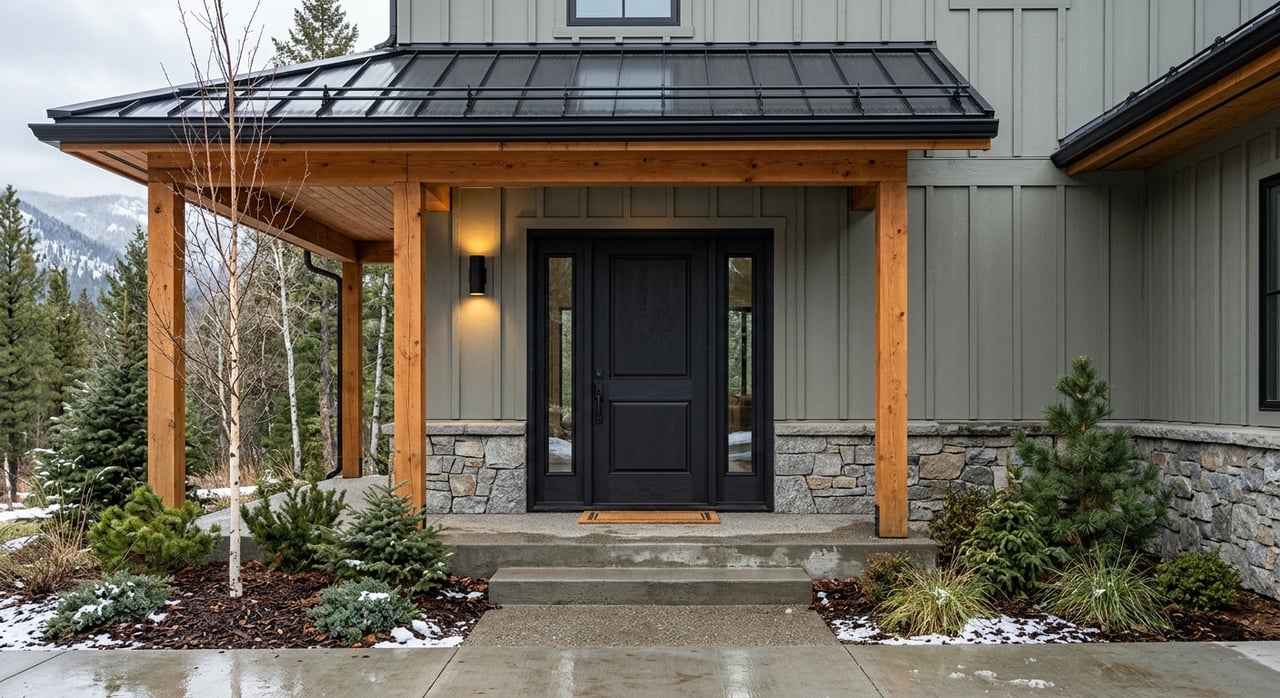
- For sellers: Focus on safety and access. Clear snow, de-ice paths, and keep the entry well lit. Highlight recent maintenance and winter-ready features like insulation or a serviced furnace.
- For buyers: Leverage the slower pace to negotiate repairs or credits. Tour during midday for the best light and plan inspections that address cold-weather performance.
PCS timing at JBER
Why PCS shapes the market
JBER relocations bring concentrated waves of incoming and outgoing households, especially from late spring through summer. That timing increases both listings and buyer activity across Anchorage and nearby communities. Many JBER-affiliated buyers use VA financing, which has specific appraisal and closing timelines you should plan for.
Tips for PCS sellers
- List just before peak PCS windows to meet early-arriving buyers and reduce competition with other military sellers.
- Coordinate with movers and the base schedule to avoid last-minute price pressure.
- Prepare your home 6 to 12 weeks ahead so you can launch with strong photos and a clear pricing strategy.
Tips for PCS buyers
- Start your search 3 to 6 months in advance. Be ready for tight inventory at peak arrival times.
- If your arrival is close to closing, consider temporary housing or a leaseback to ease the handoff.
- Choose a lender experienced with VA loans so the appraisal and underwriting stay on track.
Showing and marketing by season
Light and photography
Summer gives you long daylight and easy curb appeal. Take photos on bright days and keep lawns tidy. Winter requires a different plan. Schedule photos and showings around midday light, use interior lighting to warm up rooms, and consider high-quality video or 3D tours to expand reach when in-person visits are harder.
Inspections and contingencies
Winter hides some exterior issues like landscaping or drainage, but it can reveal heating performance, drafts, and ice-dam risks. If you buy in winter, consider a post-thaw inspection contingency focused on exterior and drainage. If you sell, service HVAC and verify roof condition before listing to build buyer confidence.
Safety and disclosures
Keep walkways, steps, and driveways cleared and treated for ice to protect visitors and reduce liability. Disclose known seasonal issues, such as icing, roof history, and drainage patterns. Clear disclosures help deals move forward without surprises.
Timelines and checklists
Seller timing
- Max price and speed: Aim to list from late April through July. Plan repairs, staging, and marketing 6 to 12 weeks ahead.
- Selling in winter: Price competitively, focus on virtual marketing quality, and stay on top of snow and ice maintenance for every showing.
Buyer timing
- Moving to Anchorage: Begin prep 2 to 4 months before your target move-in. Start 4 to 6 months out if you need to sell elsewhere or arrange specialized financing.
- PCS buyers: Start early and secure preapproval before peak months. Build in time for VA appraisal and any required repairs.
Seasonal checklists
- Summer seller checklist:
- Freshen exterior paint and touchups; clean gutters.
- Mow, trim, and tidy landscaping for strong curb appeal.
- Book professional photos on a sunny day.
- Keep showing windows flexible for after-work tours.
- Winter seller checklist:
- Clear driveways and walkways before every showing.
- Keep ice melt and shovels ready; ensure visible address numbers.
- Stage for a warm feel with lighting and simple decor.
- Highlight maintenance records for furnace, roof, and insulation.
- Winter buyer checklist:
- Inspect the heating system and review service history.
- Check pipe insulation and attic ventilation.
- Look for signs of ice dams or drafts.
- Request a post-thaw inspection contingency for exterior items.
What to ask your agent
- What do the latest Anchorage MLS reports show for median price and days on market this month compared with last year?
- How active were nearby neighborhoods during the last PCS season?
- Which winter-specific disclosures and inspection addenda should we include here?
- For sellers: Which photographers and stagers are best for low-light shoots, and when should we schedule them?
Local next steps
Seasonality in Anchorage is predictable, and you can use it to your advantage. If you want top dollar with minimal days on market, build toward a late spring or early summer launch with strong pricing and presentation. If you need to buy or sell in winter, lean into accurate pricing, clear disclosures, and smart inspection strategies.
If you are planning a move, ask for current month-by-month Anchorage MLS numbers so you can see how pricing, inventory, and days on market shift through the year. You can also use our instant valuation tools and Anchorage Home GPT to prep with real-time insights.
Ready to time your move with confidence? Reach out to Jacob Sebring to build a season-smart plan, get your pre-list checklist, or request a buyer game plan. Get Your Instant Home Valuation and start preparing today.
FAQs
How does Anchorage seasonality affect home prices?
- Prices tend to firm in spring and summer when inventory and buyer traffic are highest, while winter can bring longer days on market and more room for concessions.
When is the best month to sell in Anchorage?
- Late spring through mid-summer is often the sweet spot for speed and price, especially when aligned with school calendars and PCS arrival windows.
What should winter buyers inspect in Anchorage homes?
- Focus on heating performance, insulation, attic ventilation, and roof condition, and consider a post-thaw inspection contingency for exterior drainage and landscaping.
How do JBER PCS moves impact inventory?
- PCS seasons increase both listings and demand, concentrating activity in late spring and summer and amplifying competition for well-prepared homes.
How long do homes stay on market in winter?
- Days on market usually lengthen in winter as fewer buyers tour and some sellers wait for spring, though motivated buyers can still move quickly on standout homes.